- Ideal trip length
- 10 to 14 nights
- Best time to go
- April to June; September to October
- Time zone
- GMT+1, GMT+2 in summer (Central European Time)
- Currency
- Euro (EUR)
Entry update
The EU's Entry/Exit System is now in use at Schengen borders: travellers from outside the EU have fingerprints and a photo taken at their first entry, which can mean longer queues at busy times. ETIAS, the pre-travel authorisation, has no confirmed start date and is not yet needed.
About Italy
Italy rewards a slower pace. Two or three bases work better than a new hotel every night: Rome for its layers of history, Florence for the Renaissance and Tuscany on the doorstep, Venice for the lagoon, then the Amalfi Coast or Lake Como to finish. Fast trains link Rome, Florence, Bologna, Venice and Milan in a few hours, so you rarely need to fly.
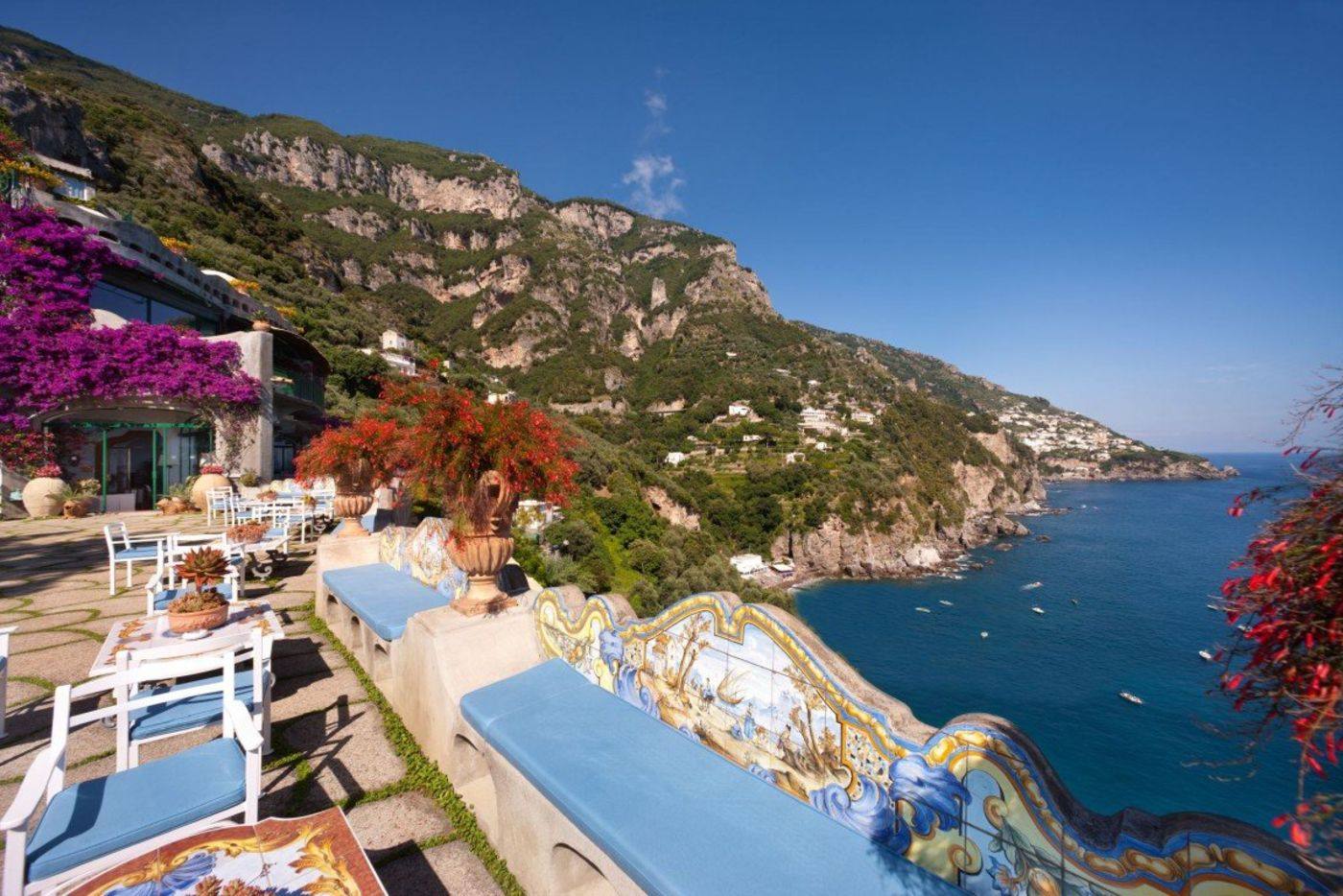
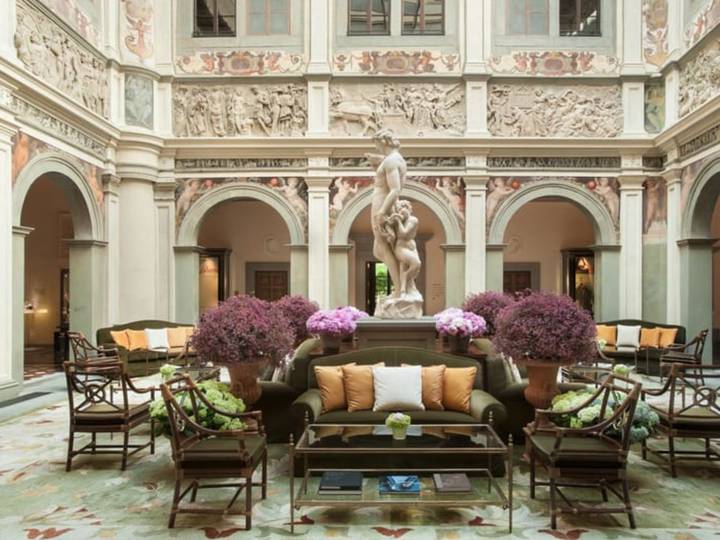
The hotels are part of the experience, from Renaissance palazzi with private gardens to cliffside terraces above the sea. In the cities, location decides how much you can walk, and in high season the best rooms and restaurant tables go early. On the coast and the lakes, a sea or lake view is worth paying for, and boat days are often the highlight.
When to go
Spring and early autumn are the sweet spot: warm days, long evenings and fewer crowds than July and August, when the cities are hot and the coast is at its busiest. Most Amalfi Coast and lake hotels close from about November to March, while Rome, Florence and Venice are lovely and quieter in winter.
Places to go
Rome
Ancient ruins, Baroque piazzas and the Vatican, best explored on foot from a central base.
See hotelsFlorence
The Renaissance in a compact city, with Tuscany's hills and vineyards close by.
See hotelsVenice
A city of canals and lagoon islands, magical early in the morning and after the day visitors leave.
See hotelsPositano and the Amalfi Coast
Cliffside villages, lemon groves and boat days, from May to October.
See hotelsLake Como
Villas, gardens and boats on the water, an hour from Milan.
See hotelsTuscany
Hill towns, wine estates and farmhouse stays between Florence and Siena.
Ask me about hotels hereMy picks in Italy
The hotels I'd start with, and who each one suits.
 3 MICHELIN KeysForbes Five-Star
Four Seasons Preferred Partner
Four Seasons Hotel Firenze
Florence, Italy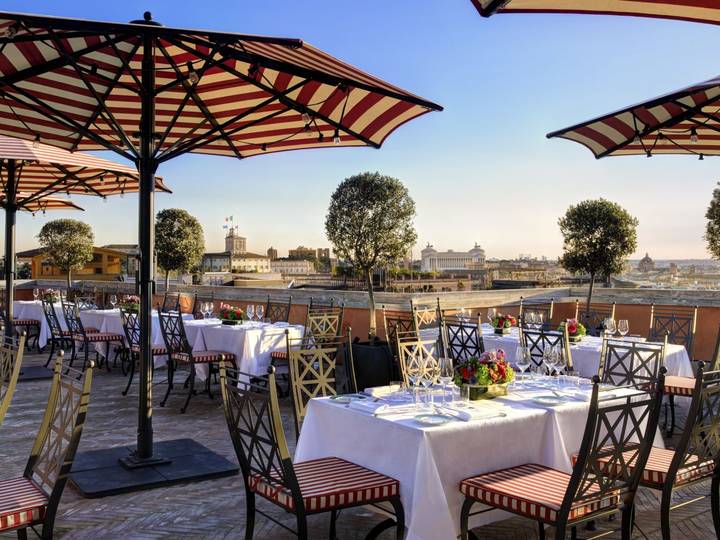 2 MICHELIN KeysForbes Five-Star
Rocco Forte Knights
Hotel de la Ville, Rome
Rome, Italy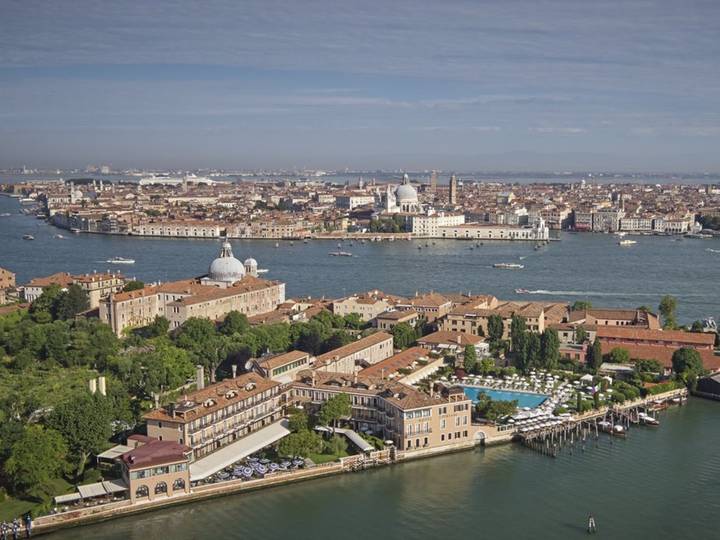 3 MICHELIN KeysForbes Five-Star
Belmond Bellini Club
Hotel Cipriani, A Belmond Hotel
Venice, Italy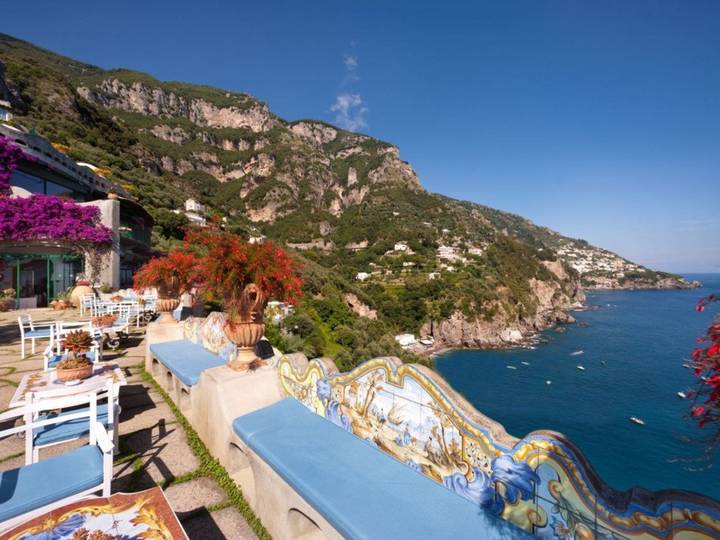 3 MICHELIN KeysForbes Four-Star
Virtuoso
Il San Pietro di Positano
Positano, Italy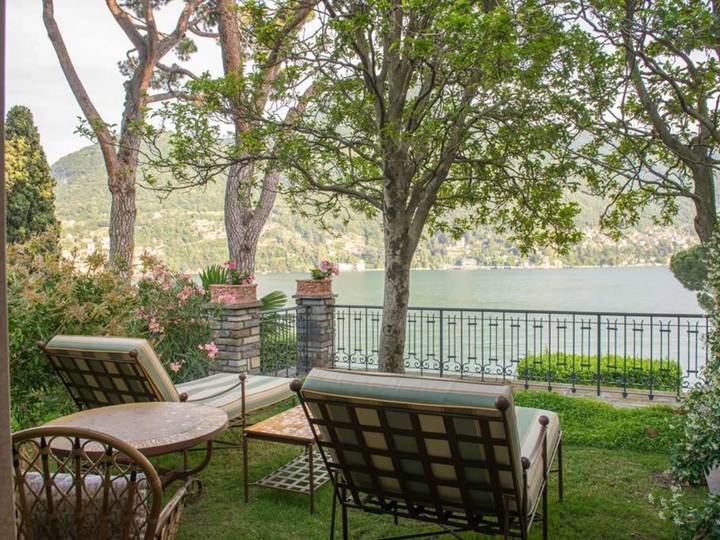 3 MICHELIN Keys
Virtuoso
Passalacqua
Lake Como, ItalyBefore you go
Arriving
Getting there
Rome and Milan have direct flights from Singapore, and most other cities connect easily through Europe or the Gulf. I often suggest flying into one city and out of another.
Getting around
Fast trains link the main cities in comfort, and a private driver is best for the Amalfi Coast, Tuscany and the lakes. Driving in historic centres is restricted.
Visa and entry
Singapore, UK, US, Australian and many other passports get visa-free stays of up to 90 days in any 180 days across the Schengen area. The EU's Entry/Exit System now takes fingerprints and a photo at your first entry, so allow extra time at the border. ETIAS pre-travel authorisation has no confirmed start date yet. Check the official source before you travel.
Checked November 2026
Money and culture
Money
Cards are widely accepted, though small cafés and markets may prefer cash. Hotels charge a city tax per person per night, paid locally.
Tipping
Service is often included, and a cover charge is common. Rounding up or leaving 5 to 10 percent for good service is appreciated, not expected.
Local customs
Cover shoulders and knees in churches, including St Peter's. Lunch runs from about 1pm and dinner rarely starts before 8pm.
On the ground
Language
Italian. English is widely spoken in hotels and the main tourist areas.
Plugs and power
Types F and L, with Type C also common. Bring an adapter from Singapore.
Safety
Italy is safe for visitors. Watch for pickpockets in crowded places and on trains, and expect high water in Venice at times in autumn and winter.
Italy: quick answers
When is the best time to visit Italy?
April to June; September to October. Spring and early autumn are the sweet spot: warm days, long evenings and fewer crowds than July and August, when the cities are hot and the coast is at its busiest. Most Amalfi Coast and lake hotels close from about November to March, while Rome, Florence and Venice are lovely and quieter in winter.
How long should I spend in Italy?
10 to 14 nights is a good length for a first visit. Tell me what you enjoy and I'll shape the route around it.
Which luxury hotels do you recommend in Italy?
My picks are Four Seasons Hotel Firenze (Florence), Hotel de la Ville, Rome, Hotel Cipriani, A Belmond Hotel (Venice), Il San Pietro di Positano and Passalacqua (Lake Como). Each hotel page has my write-up, what guests say and the benefits I can add.
Do I need a visa for Italy?
Singapore, UK, US, Australian and many other passports get visa-free stays of up to 90 days in any 180 days across the Schengen area. The EU's Entry/Exit System now takes fingerprints and a photo at your first entry, so allow extra time at the border. ETIAS pre-travel authorisation has no confirmed start date yet. Check the official source before you travel.
Updated November 2026
More ways to experience Italy
Venice Simplon-Orient-Express
Restored 1920s carriages between Paris and Venice, with special routes across Europe each year.
Explore Day trainBritish Pullman
Belmond's vintage day train from London, for long lunches, dinners and celebrations.
Explore Ultra luxurySilversea
All-suite ocean and expedition voyages, with wide coverage across Japan and Southeast Asia.
ExploreI plan Italy around two or three bases rather than a hotel a night, linking cities by fast train and saving the coast or the lakes for the end.
- Benefits arranged before you arrive.
- One point of contact from start to finish.
- Hotels matched to how you travel.